
All clients & their families have kindly given consent for us to share their photos & story’s.
24.7 DEMENTIA SUPPORT
Dave’s story
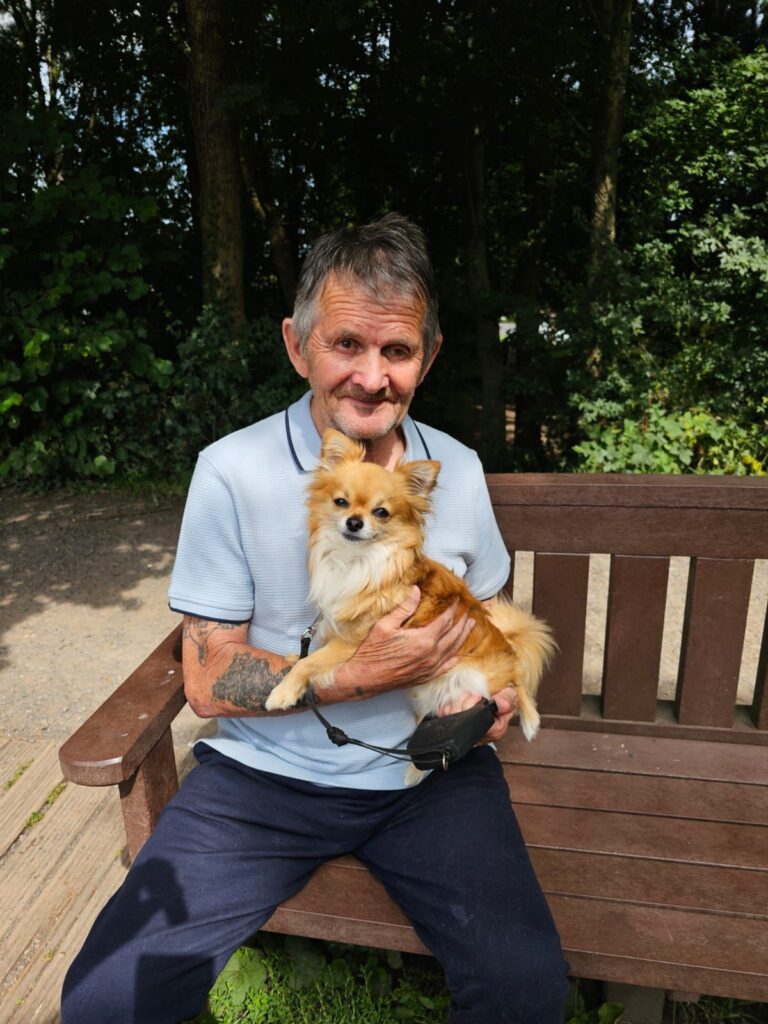
David Rattew, known fondly as Dave, was one of our valued clients who we had the privilege of supporting throughout his care journey. Our involvement began with small, daily care calls — providing reassurance, companionship, and regular check-ins to support his independence at home.
From the very beginning, Dave was always encouraged to remain active and connected to his community. Our carers supported him with regular outings and walks, helping him to stay fit, healthy, and engaged with the world around him.
Following a fall, Dave’s dementia progressed significantly, and his needs became more complex. In response, we adapted quickly, introducing 24/7 support to ensure his safety, wellbeing and quality of life remained our priority.
Dave was a passionate dog lover, and we made sure this remained a central part of his care. Our staff regularly supported him with outings — including shopping trips, picnics, and visits to Hillbrae Dogs Home, where he enjoyed walking dogs. We found that spending time with dogs had a remarkable calming effect on Dave, particularly during moments of heightened or challenging behaviour. Recognising this, some of our carers even brought their own dogs along during visits, which provided comfort, joy, and a sense of connection for him.
Throughout our time supporting Dave, we worked closely with his family, maintaining open communication and ensuring they felt involved and reassured every step of the way. As Dave’s needs continued to increase, the time eventually came for him to transition into full-time residential care. While this marked the end of our direct support, we were proud to have played a part in helping him remain at home for as long as possible — surrounded by compassion, dignity, and the things he loved most.
Consistent support & family respite
Ryan’s story
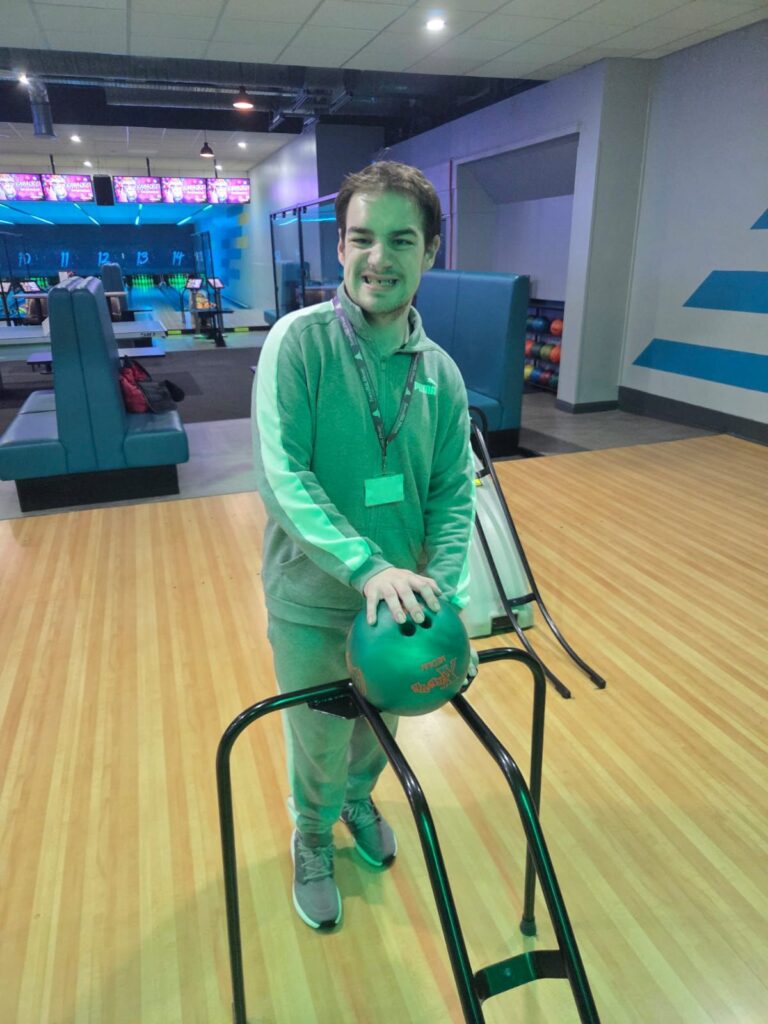
Ryan is supported by a consistent and familiar routine, with one dedicated support worker — Tom — providing him with 12 hours of care each week. This continuity has helped build a trusting, positive relationship which is important for his wellbeing.
Due to his mum’s ongoing health condition, she’s required to attend hospital appointments several times throughout the week. During these times, Tom steps in to support Ryan at home, ensuring he continues to feel safe, comfortable and engaged in his usual activities.
Ryan has a clear interest in sticker books, which he greatly enjoys. Tom actively supports him with this hobby, using it as a meaningful and calming activity that Ryan can focus on. In addition to time spent at home, Tom also supports Ryan to access the community, helping him maintain a connection with the world around him.
Tom places a strong emphasis on encouraging Ryan to stay active. One of the activities they both enjoy together is gardening — providing Ryan with both physical activity and a real sense of achievement.
Complex needs & overnight care
Paul’s story
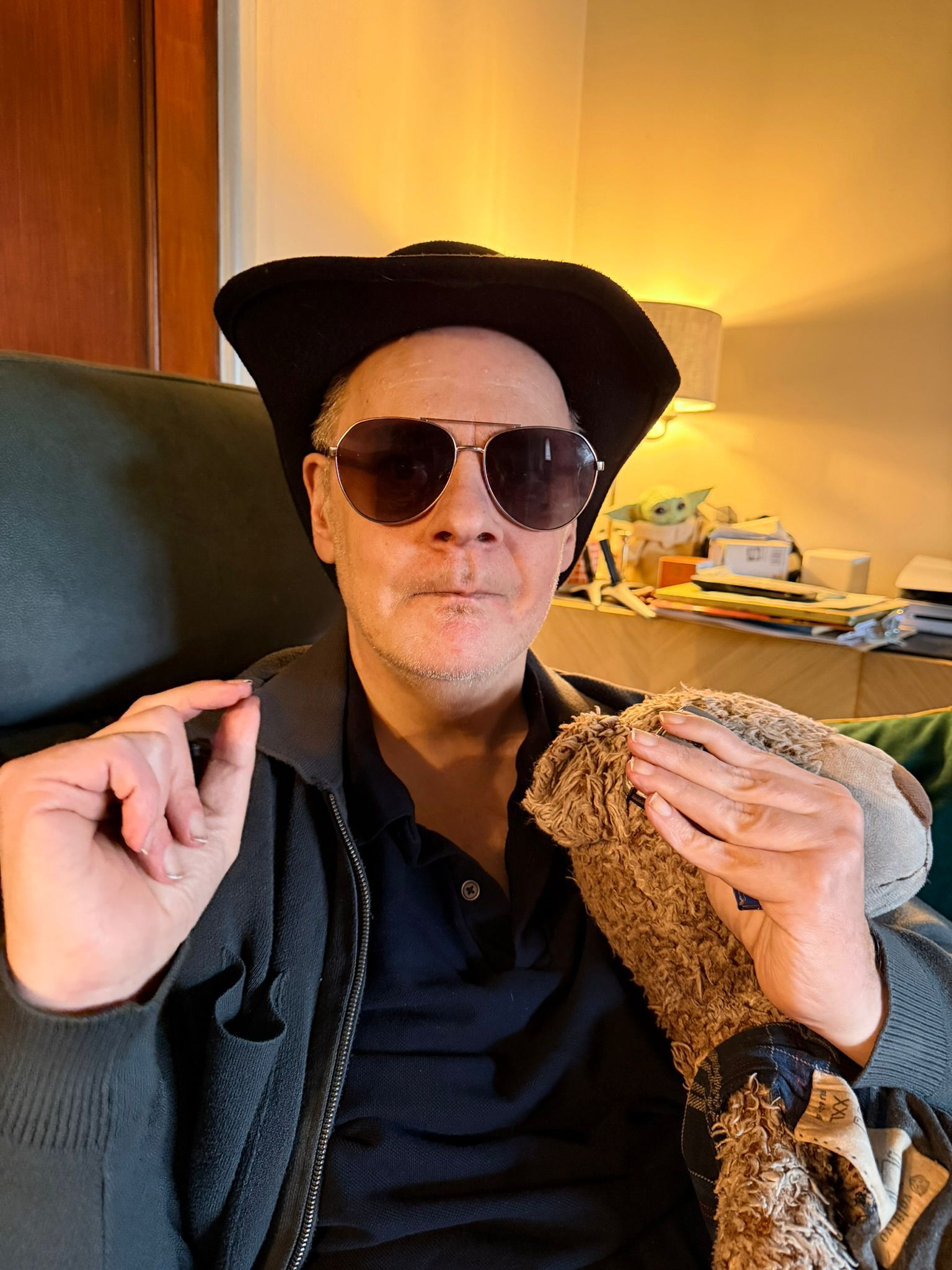
Paul is a valued client with complex support needs who benefits from consistent, person-centred care. At times, Paul may express himself in ways that can appear challenging — but staff understand this is part of how he communicates, and respond with patience, empathy and reassurance to help him feel safe and supported.
Paul lives with his nephew, Jordan, who plays a central role in his day-to-day life as his main family carer. As Paul’s needs increased, balancing this level of care alongside working from home became increasingly difficult. The introduction of a consistent support team has made a significant difference, ensuring Paul receives structured daily support while giving Jordan confidence that his needs are being met.
Spending time out in the community is an important part of Paul’s routine and something he greatly enjoys. He particularly likes sitting and watching cars go by, visiting local cafés such as Sofia’s in Wellington and cafés around Telford town centre, and taking trips on the train. These familiar outings provide comfort, enjoyment and valuable structure to his week.
Previously, Paul would wake several times during the night, which had a significant impact on Jordan’s ability to rest. While there have been challenges along the way, close collaboration between Jordan and the support team — alongside a genuinely person-centred approach — has helped build a strong and effective support arrangement. Paul’s care is now running very well, with a consistent team in place that supports both his wellbeing and independence at home.
Independence & companionship
Gerrard’s story
Gerrard was an extraordinary man whose life was shaped by adventure, independence, and a deep sense of self. In his younger years, he sailed across the world — collecting not just miles but memories. Stories rich with experience, resilience and curiosity, which he carried with him throughout his life and shared in a way that left a lasting impression on everyone who had the privilege of knowing him.
Fiercely independent, Gerrard valued his autonomy above all else. As time went on and his needs began to change, his daughter Liz — who lived some distance away — wanted to ensure her father was supported in a way that respected who he was. What she didn’t want was for him to feel like he was being ‘looked after’ in a clinical or impersonal way. Gerrard himself was clear: he didn’t want ‘carers’.
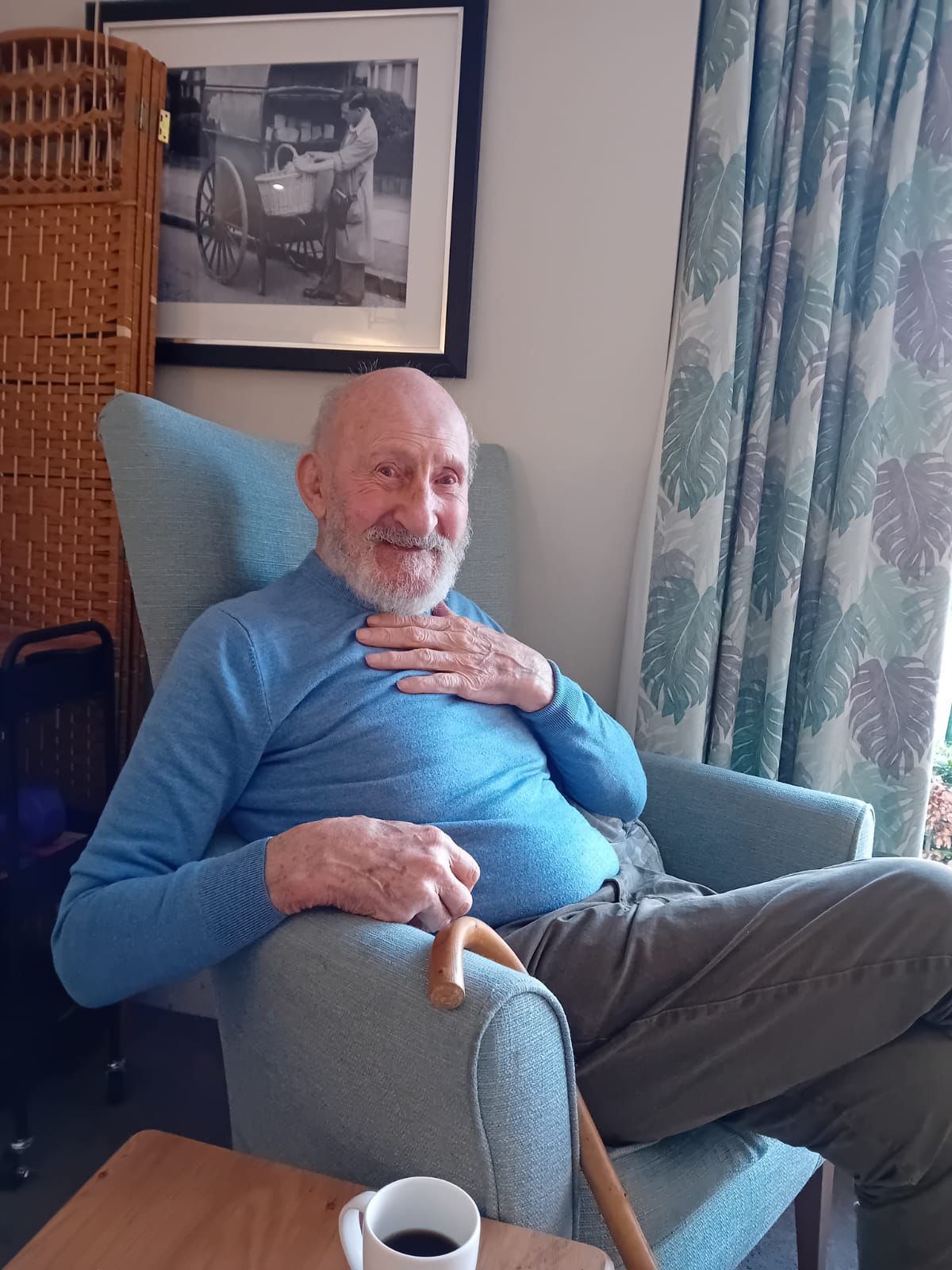
With a small, dedicated team focused on truly person-centred support, a different approach was possible. It wasn’t about stepping in and taking over; it was about walking alongside Gerrard, understanding his world, and fitting into it naturally. Over time, he allowed Emma, one of the support workers, into his life.
As dementia began to affect Gerrard, he would sometimes forget everyday essentials like his phone, keys or wallet when heading out. Emma gently supported him in a way that preserved his dignity, accompanying him into the community as a friend rather than someone overseeing him. Together, they built a strong and genuine bond.
Emma checked in with him every day, making sure he had what he needed while respecting his independence. Through this relationship, Gerrard was able to continue living life on his own terms — remaining at home, maintaining his routines, and holding onto his sense of self.
His story is a powerful reminder of the importance of person-centred care, dignity, and the profound impact of genuine human connection.
Sadly, Gerrard recently passed away. He will be remembered not only for the life he lived but for the spirit with which he lived it.

Recovery help & support to manage tenancy
Fiona’s story
Fiona’s story is one of resilience, patience, and the quiet power of trust built over time.
She experienced a deeply troubled childhood, which shaped much of her adult life. As she grew older, Fiona faced significant challenges, including struggles with drug and alcohol addiction and periods of homelessness. These difficulties often placed her in extremely vulnerable situations, where emergency services such as the police and ambulance teams were frequently involved.
Understandably, Fiona found it very difficult to trust others. Over the years, multiple care agencies attempted to support her, but she often withdrew—avoiding contact, hiding away, and at times responding with aggression. For Fiona, accepting help felt overwhelming and unsafe.
When we began supporting Fiona, we took a different approach. Rather than directing or instructing her, we focused on reassurance—letting her know that we were there to support her on her terms. Gradually, something began to shift. Fiona started to build trust with the carers around her, forming meaningful relationships and developing a sense of safety.
As that trust grew, Fiona began accepting support in practical ways. She allowed staff to support her with managing her finances, ensuring she had access to daily essentials. Previously, she would often lose her bank card, leaving her without access to money and unable to meet her basic needs. With consistent support, this became more manageable for her.
Fiona experienced ongoing difficulties in maintaining a tenancy and, as a result, faced homelessness on several occasions. She struggled to manage her property independently, which placed her at continued risk of eviction. However, with the consistent support & encouragement of her carers it significantly reduced risk of eviction.
Staff also supported Fiona to safely access the community, accompanying her on day trips and helping her reconnect with everyday experiences. One of her favourite places to visit was the bowling alley, where she could relax and enjoy herself. These moments became an important part of her journey—simple, but meaningful steps toward stability and wellbeing.
Following a shoulder injury, Fiona was supported to attend medical appointments, ensuring she could access the healthcare she needed—something that had previously been difficult for her to engage with.
Over time, it was truly heartening to see Fiona smile again. That smile represented more than just a moment of happiness—it reflected trust, progress, and a renewed sense of hope.